This is the guide I wish someone had given me when I first started picking up curbside furniture. It takes about 60 seconds, and it has saved me from at least two situations I really do not want to revisit.
The good news is that most curbside items are fine. People leave things out because they are moving or upgrading, not because something is wrong. The quick inspection below is about catching the exceptions before they become your problem.
The 60-Second Inspection
Before you take anything, do a quick physical assessment. Most problems are visible or detectable in under a minute if you know what to look for.
Check for Structural Integrity
For furniture: sit on it, push on it, open and close drawers. Does it wobble? Are the joints solid? A wobbly chair or dresser with a broken drawer runner isn't worth taking unless you're prepared to fix it. Solid wood furniture is almost always worth salvaging; particle board with water damage is generally not.
Check for Pests
This is the most important check. Look for small dark spots, shed skins, or a musty smell — these can all be signs of bed bugs or roaches. Inspect seams, under cushions, and drawer interiors. If anything looks suspicious, leave it. Bringing pests into your home is a far worse outcome than leaving a free item behind.
Key Rule: Never take upholstered furniture (sofas, mattresses, chairs with fabric) without a pest inspection. Hard furniture (wood, metal, plastic) carries much lower risk. When in doubt, don't.
Check for Moisture Damage
Water damage in wood causes swelling, warping, and mold. Smell the item. If it has a musty or sour odor, it's been wet and the damage may be internal. Surface stains can sometimes be sanded out; deep warping or mold cannot.
For Electronics: Test Before You Take
If you can, power on electronics at the curb. Most have enough charge or a power source nearby. A TV that powers on and displays a picture is worth taking. One that doesn't power on is a coin flip — it may be a blown fuse (cheap fix) or a dead panel (expensive). Check the CurbSofa item description — most Givers note whether electronics work.
What's Almost Always Worth Taking
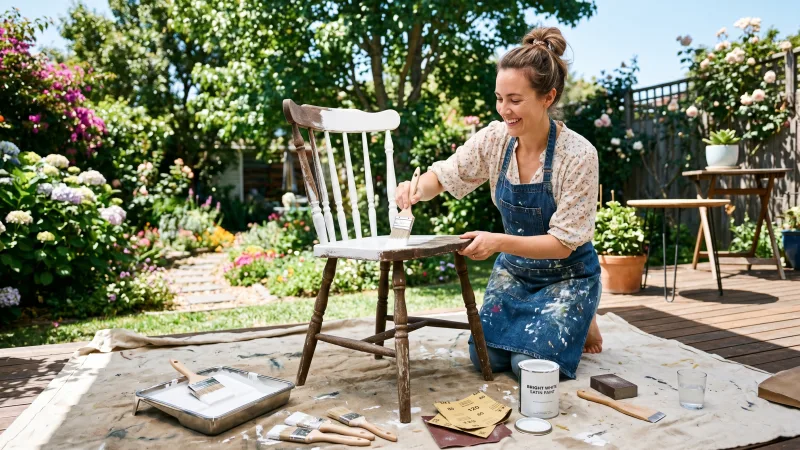
- Solid wood furniture (even if scratched — paint and sand it)
- Metal shelving and storage units
- Lamps with intact wiring
- Books, records, and media
- Kitchen appliances that power on
- Outdoor furniture (metal or plastic)
- Planters and garden equipment
What to Leave Behind
- Mattresses (unless sealed in plastic and confirmed pest-free)
- Upholstered items with visible staining, odor, or signs of pests
- Particle board furniture with swelling or delamination
- Anything that shows signs of mold
The curbside economy works because participants are thoughtful. When you take something and it's genuinely useful, that's a win. When you take something that ends up in your trash two weeks later, nothing was saved. A quick 60-second inspection is all it takes to tell the difference.